Opdrachtgever: Ministerie van Buitenlandse Zaken
Ontwerp & uitvoering: Jelle van der Toorn Vrijthoff, Richard van Herwijnen en Arba Minch
Als ontwerper uit het westen ben je gewend te werken binnen een raamwerk van criteria dat volledig gerelateerd is aan onze westerse cultuur. In Jemen gelden deze criteria niet. Niets in dat land heeft enige relatie met dat wat wij weten en ervaren hebben. Onze parate vakkennis is goeddeels nutteloos, onze ervaring slechts beperkt bruikbaar.
Afspraken maken is een speculatieve aangelegenheid. Offertes zijn zeldzaam en rekeningen bestaan niet. Vooruit betalen is vereist en reclameren blijkt zinloos.
Zelfs ons gezond verstand, als laatste redmiddel, is teleurstellend ineffectief. Wij worden zeer vriendelijk en gastvrij behandeld maar blijven ongelovige honden.
Iedereen en elk dorp in het land is tot de tanden gewapend. Elke jonge man krijgt een AK-47 op zijn trouwdag.
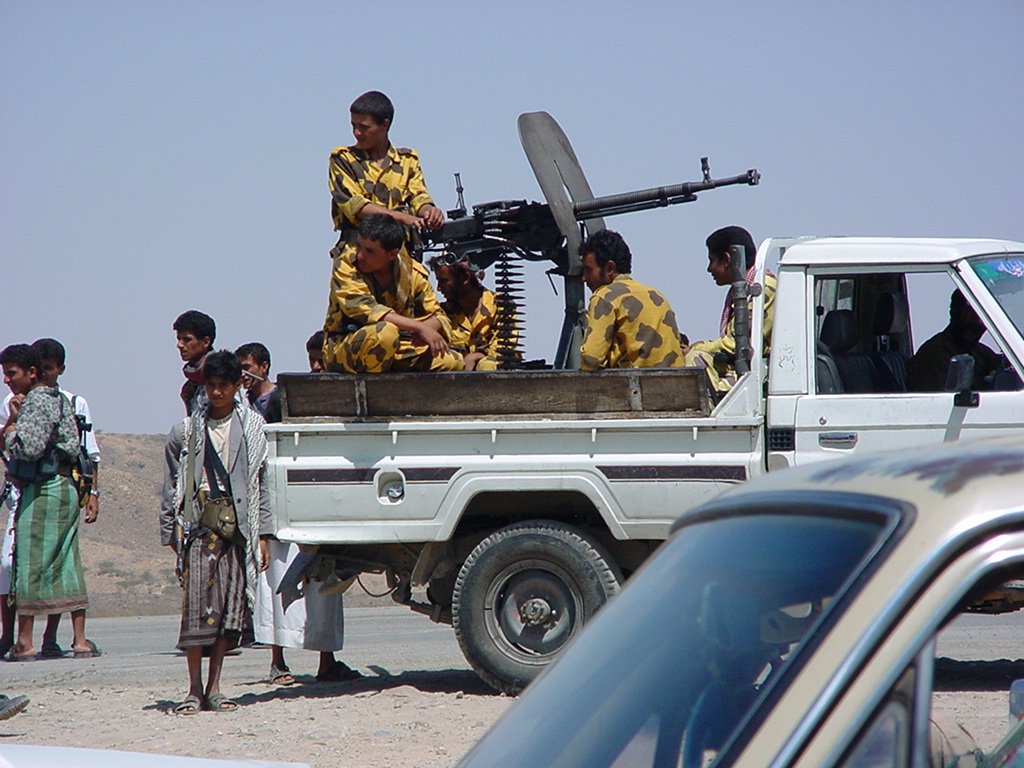
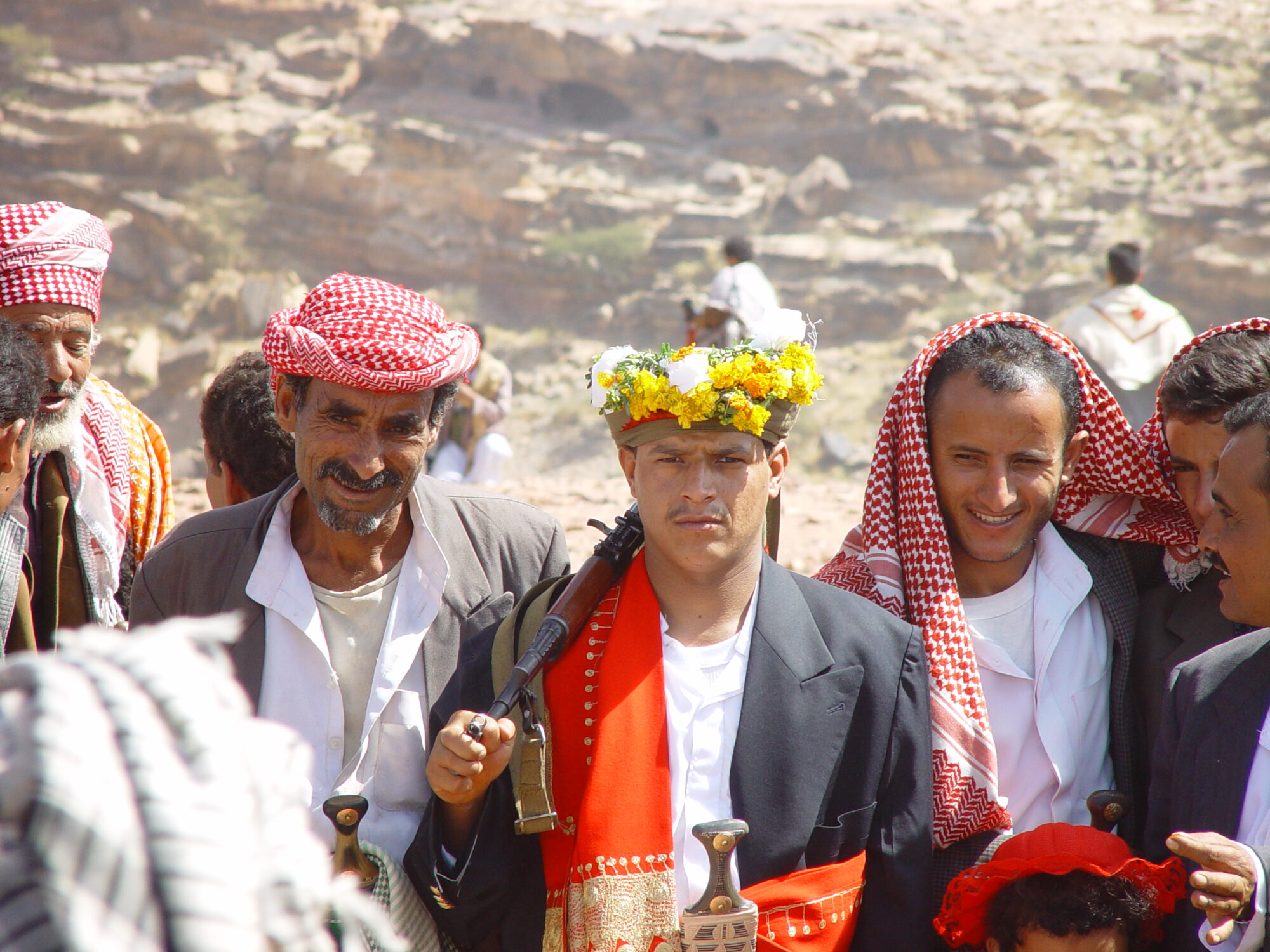
Dit project werd uitgevoerd tijdens een van de weinige periodes van vrede.
Na een openbare inschrijving ontving het bureau eind 1997 de opdracht om het Nationale Museum van de republiek Jemen in de hoofdstad Sana’a op een hoger niveau te brengen. Gebouwen renoveren, collectiebeheer professionaliseren, permanente opstelling verbeteren en het personeel trainen.
Het budget bedroeg 5 mlj. Gld. En de looptijd was vastgesteld op 4 jaar.
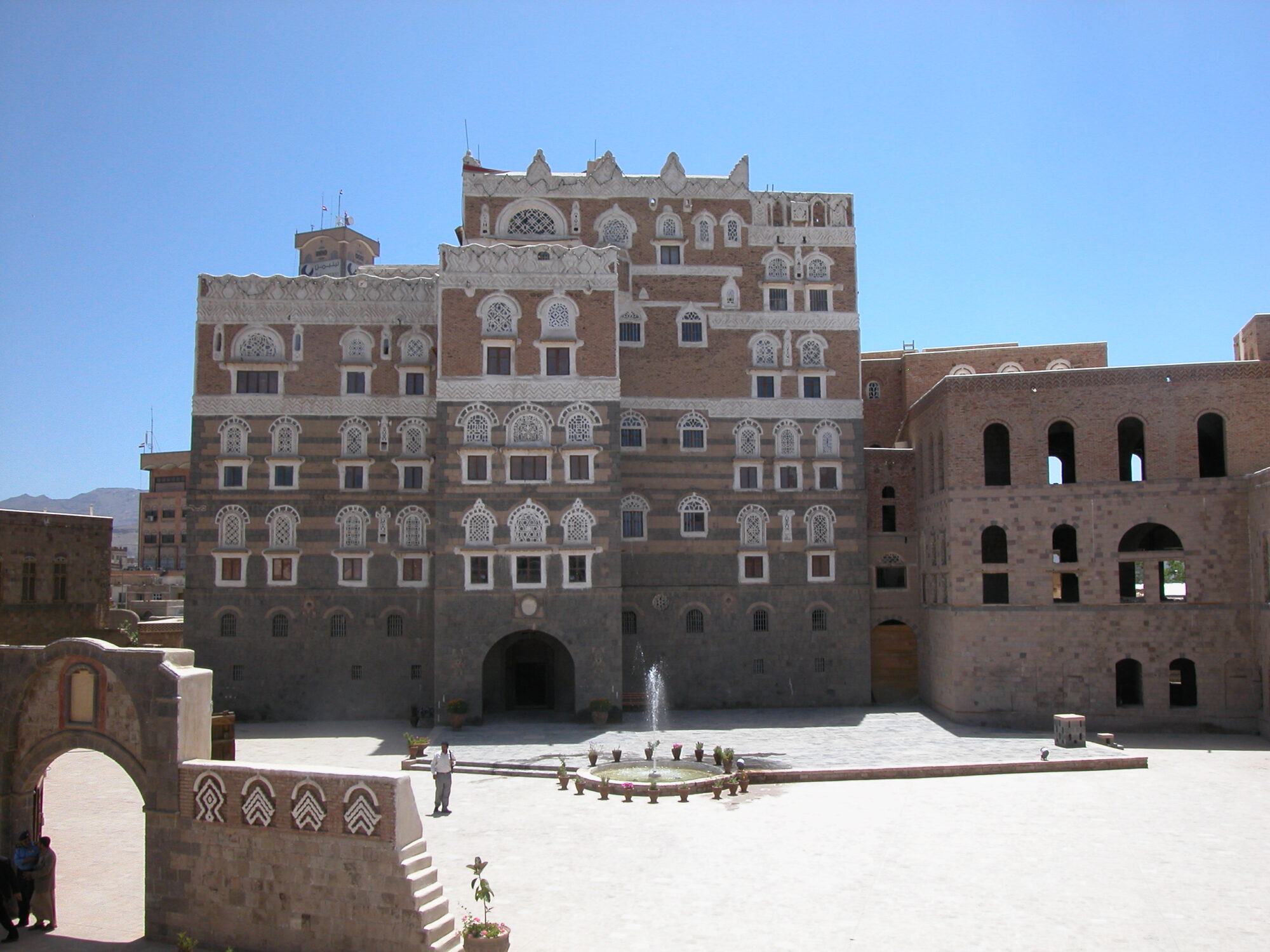
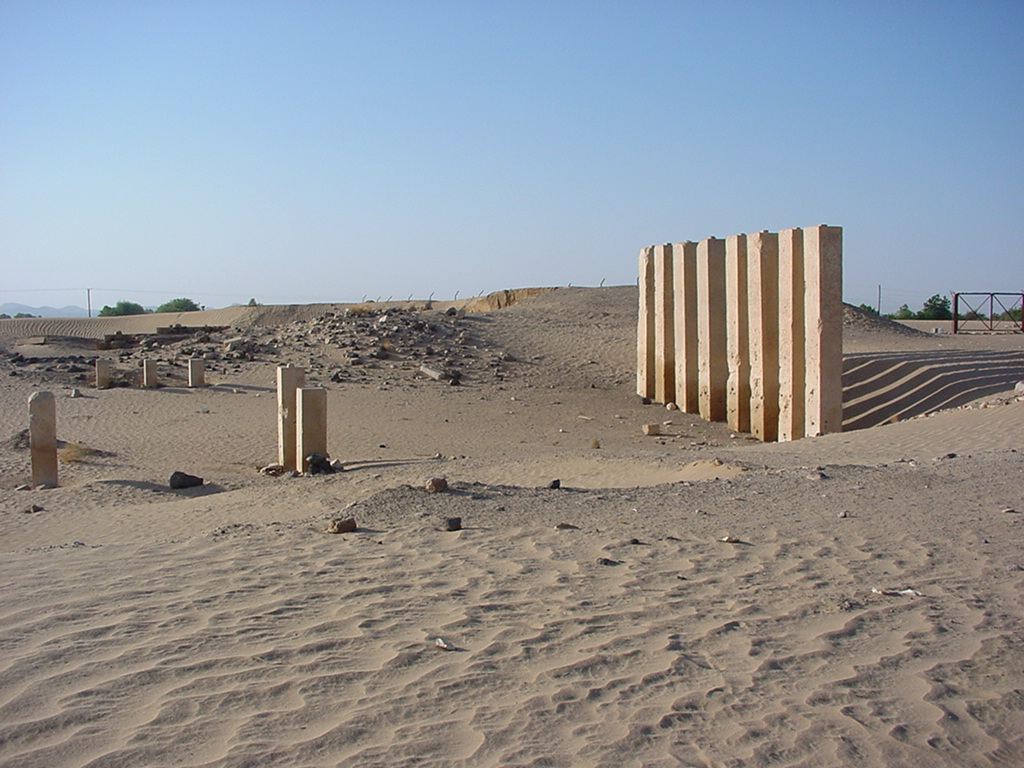
Jemen bezit weinig natuurlijke grondstoffen en kent nauwelijks industrie van enige betekenis. Het land is niet rijk aan olie en gas maar wel van bodemschatten uit een ver verleden die nu nog voor 95% door woestijnzand aan het oog worden onttrokken. Deze bodemschatten zullen voor een deel ooit hun weg vinden naar het Nationale museum. Wat we zien in Sana’a vervult ons afwisselend met afschuw en verwondering. Afschuw voor de enorme vervuiling, verwondering over de ongekende schoonheid van onder meer een absoluut spectaculaire architectuur. De acht verdiepingen hoge flatgebouwen van klei in de Hadhramawt zijn inmiddels legendarisch.
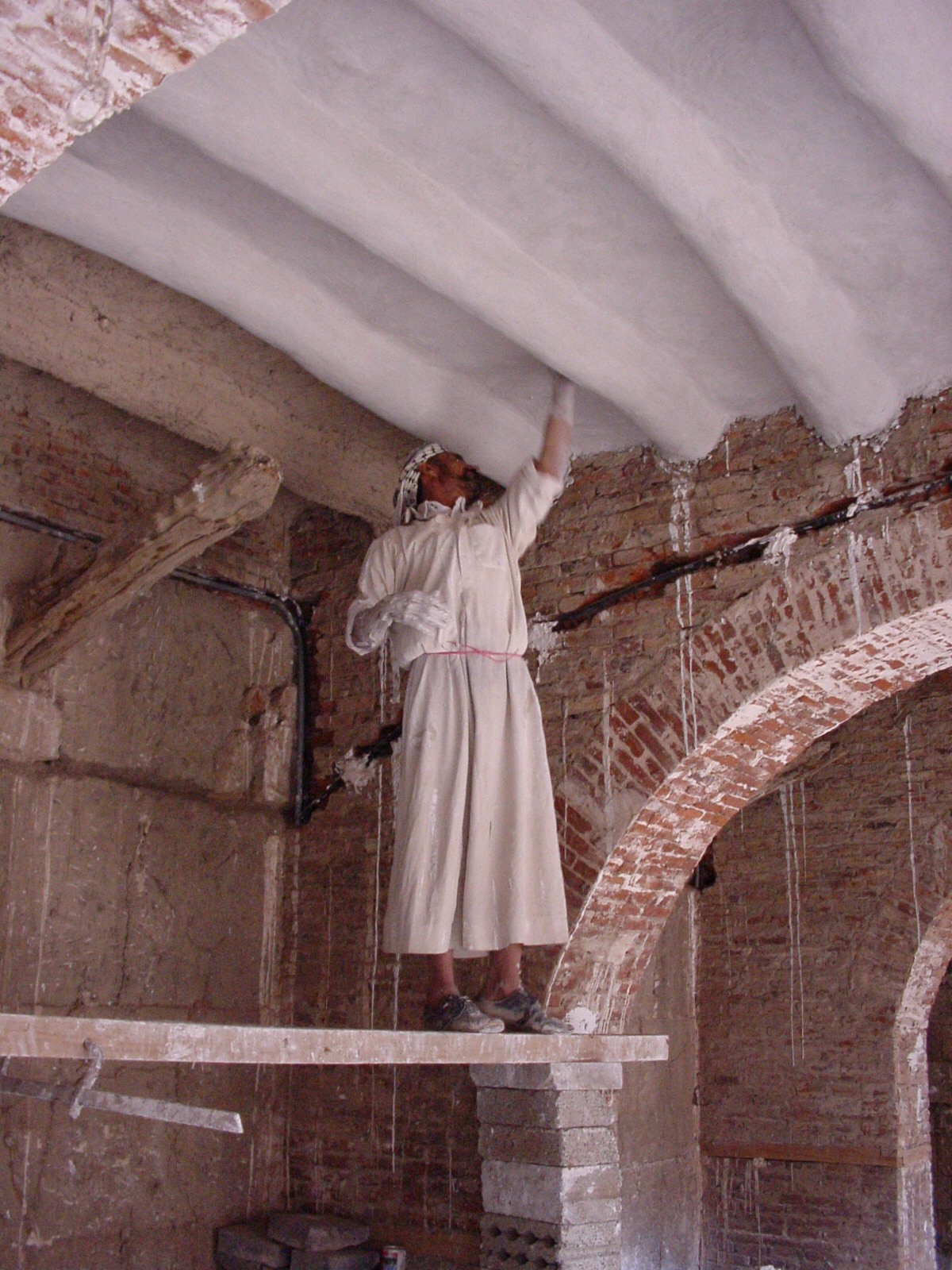
In Sana’a wordt wel lager gebouwd maar ook daar worden de meeste huizen nog volledig met de hand gemaakt en vertonen daarvan alle kenmerken. Organische vormen en een sterke relatie met de natuur.
Jemen is straatarm, wordt voortdurend verscheurd door oorlogen waardoor elke vorm van ontwikkeling in de kiem wordt gesmoord. Er zijn geen middelen om nieuwe huizen te bouwen en de bevolking restaureert al eeuwen de woningen die zij hebben. De tijd heeft dus stilgestaan en lijkt de middeleeuwen nog maar net ontgroeid. In deze wereld van ongekende contrasten is het uitvoeren van een ontwerpopdracht een onbekend en spannend avontuur.
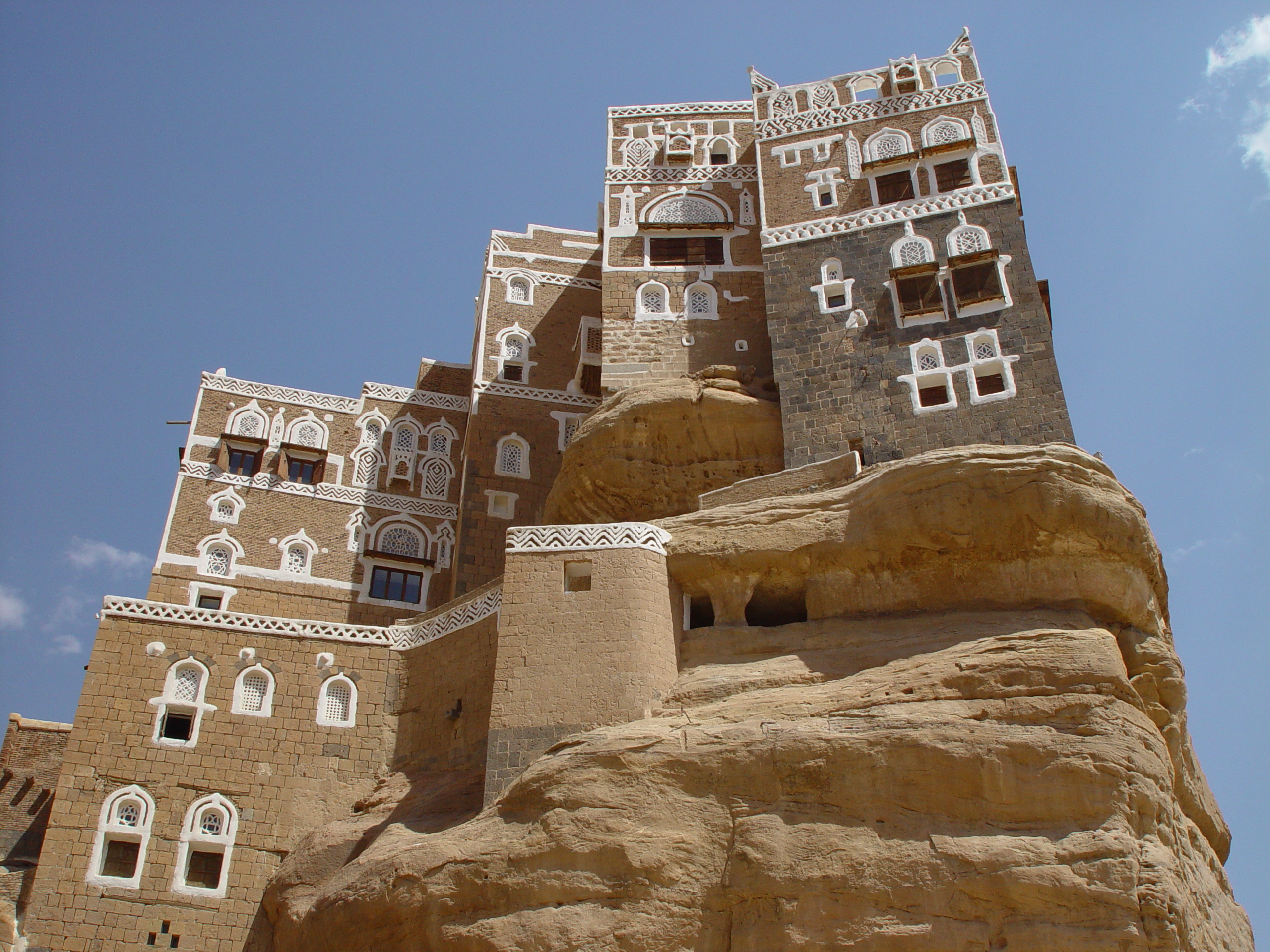

Het museum is gehuisvest in het paleis van de laatste Imam die pas in het begin van de jaren zestig zijn macht verloor. Dat paleis werd gebouwd midden tussen dat wat overgebleven was van een militair hospitaal uit de tweede Ottomaanse periode.
Bij het werken met lokale mensen val je van de ene verbazing in de andere. Bijna iedere man werkt slechts in de ochtend. ‘s Middags is het tijd om Qat te kauwen; het loof van een ligusterachtige struik dat een stimulerend effect heeft. De medewerkers van Total Design moesten op zijn minst regelmatig mee doen om vertrouwen op te bouwen. Deze gewoonte kan het beste vergeleken worden met het drinken van een biertje in een bruin café. In beide gevallen worden er zaken gedaan, afspraken gemaakt, geroddeld en moppen getapt. Het kauwen van Qat is een indrukwekkende ervaring. Meestal zit je in een zgn. Mafrash, op de bovenste verdieping van een huis en deelt de Qat, drankjes en nootjes met het gezelschap. Ook de waterpijp gaat rond waarbij iedereen zijn eigen mondstuk in de pijp steekt. Het samen zijn gaat rustig voort tot ca 6 uur als de zon bijna verticaal onder gaat. Iedereen is dan muisstil en laat het dovende licht bezit nemen van de geest.
Total Design had zich tot doel gesteld om alles te ontwerpen met de hulp van lokale expertise en niets te importeren uit Nederland. Niet omdat het Nederlandse product niet op prijs wordt gesteld maar omdat onderhoud onmogelijk is. Een simpele digitale projector is in Jemen kansloos zodra de lamp kapot is. Alleen lokale architecten en ambachtslieden bieden enige continuïteit voor reparatie en onderhoud. Onze bijdrage is daarbij twijfelachtig. Wat kunnen wij deze mensen nog leren op het gebied van ontwerpen? De tijd heeft immers stilgestaan. Ontwerpen gebeurd hier nog door de ambachtslieden en wel op een zeer verantwoorde manier.
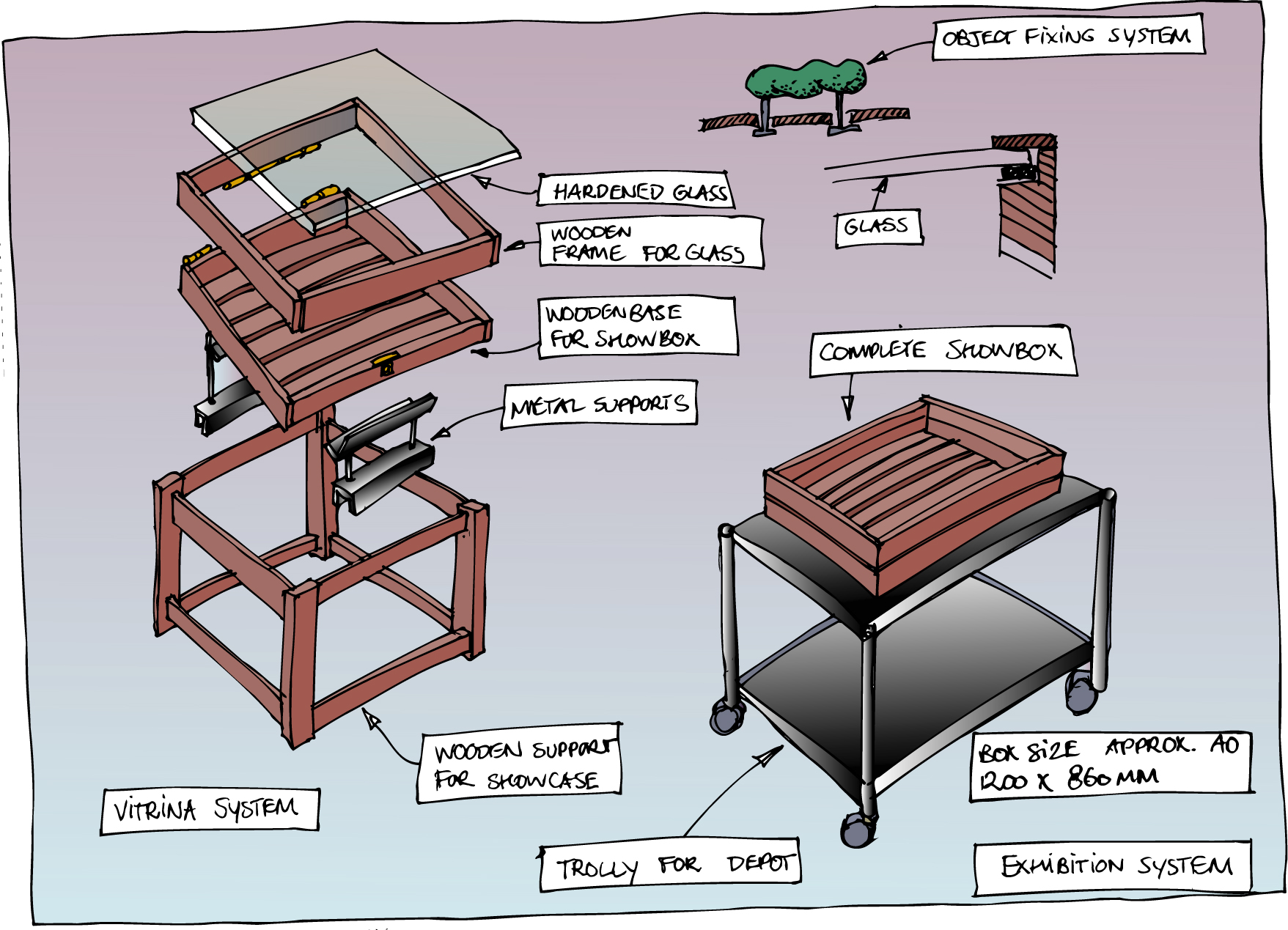
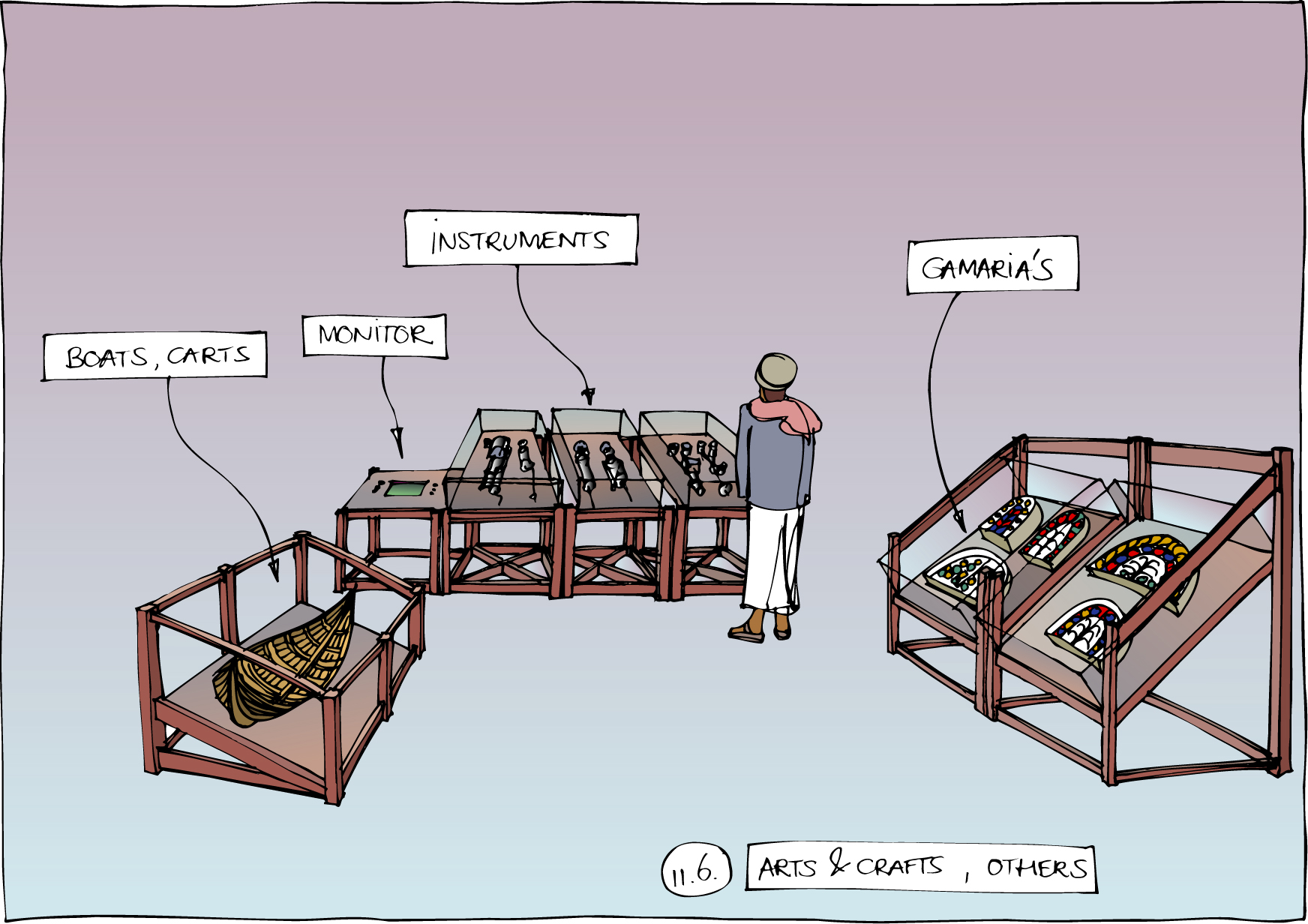
Het produceren van bijvoorbeeld vitrines zal daardoor langer gaan duren. Ondanks het handwerk zullen deze vitrines niet alleen veel goedkoper zijn, maar tevens ter plekke te repareren. Het handwerk kost helemaal niets en is nog steeds van een ongekende robuuste schoonheid. Een handgemaakte vitrine maken in Nederland kost een vermogen. in Jemen niets.
Deze opdracht had niet veel te maken met het ontwerpvak zoals wij dat kennen. Het heeft echter alles te maken met ons vak zoals we dat niet kennen. Een ontdekkingsreis naar andere waarden waarbij enige bescheidenheid op zijn plaats lijkt te zijn.
Kortom een van de meest boeiende ontwerpopdrachten die ooit werd uitgevoerd binnen Total Design.