Opdrachtgever: Staatsdrukkerij en Uitgeverij
Producent: Staatsdrukkerij en Uitgeverij
Ontwerp: naam Jelle van der Toorn Vrijthoff en Wim Zaat
Het Plakkaat van Verlatinghe (ook wel Acte van Verlatinghe) is een plakkaat ondertekend op 26 juli 1581, waarin een aantal provinciën van de Habsburgse Nederlanden Filips II afzetten als hun heerser. Het kan worden gezien als de onafhankelijkheidsverklaring van de Nederlanden. Deze daad volgde op de Unie van Utrecht in 1579.
Het besluit werd genomen in de vorm van een resolutie op 22 juli 1581 tijdens een gewone vergadering van de Staten-Generaal van de Nederlanden in ‘s-Gravenhage.
De tekst werd vastgesteld in Den Haag op 26 juli 1581. Het plakkaat werd gedrukt bij de staatsdrukker Charles Silvius in Leiden en zoals gebruikelijk bij wetgeving direct verspreid.
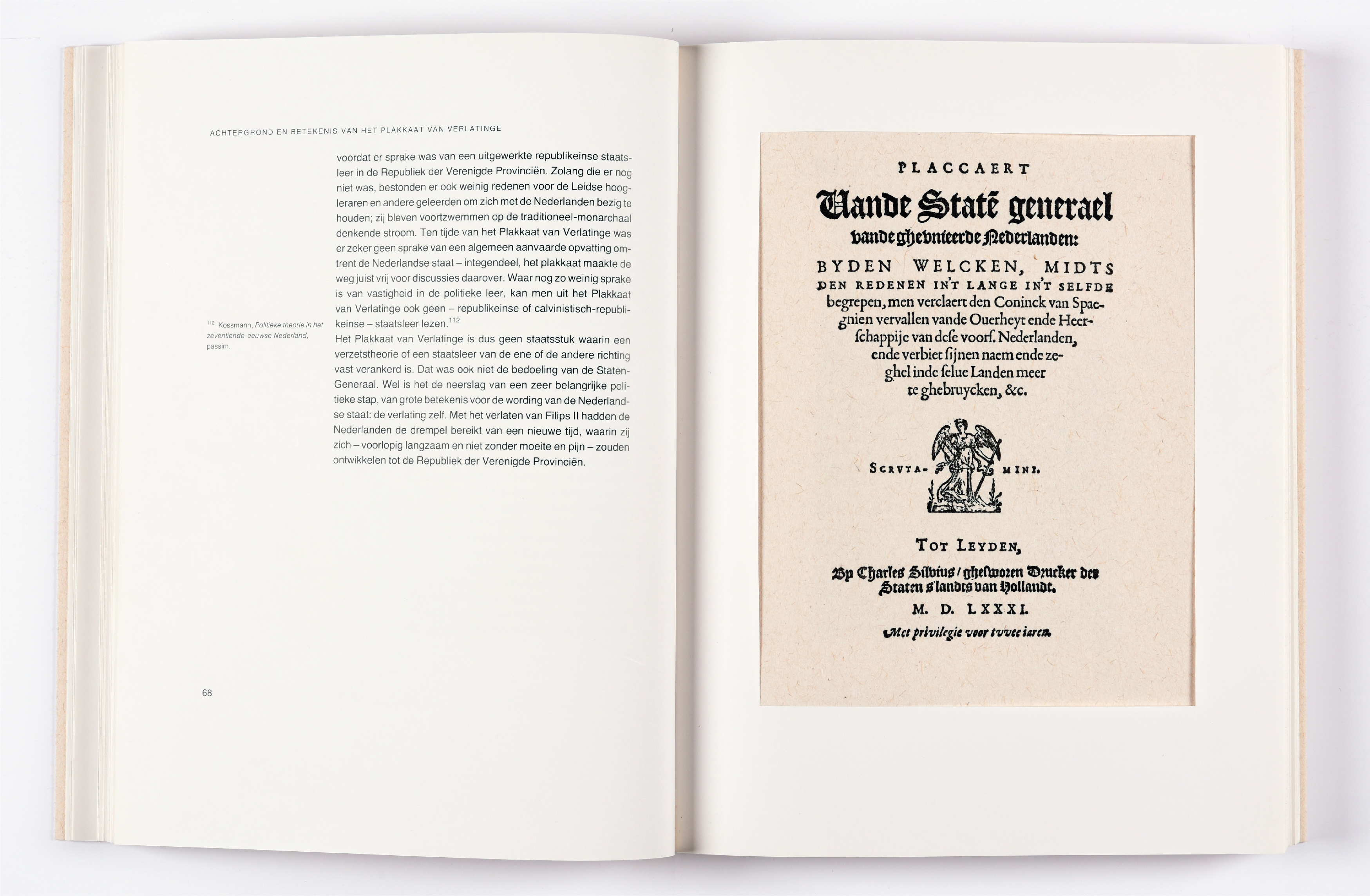
In 1981 bestond de Staatsdrukkerij en Uitgeverij dus feitelijk 400 jaar. Het bedrijf wilde dit vieren met de heruitgave in facsimile van het Plakkaat en koos voor de zgn. Silvius uitgave waarvan er nog steeds enkele exemplaren bestaan in de archieven van de Koninklijke bibliotheek.
Het moest een echt meesterwerk worden. Het originele drukwerk werd onderzocht waarbij het papier werd geanalyseerd als zijnde lompenpapier met een hoog percentage jutehaksel. Een van de traditionele papierfabriekjes in Renkum was bereid om een oude rondzeefmachine van zolder te halen samen met een aftandse jutehakmachine. Het papier werd gemaakt in twee gewichten en was niet te onderscheiden van het origineel.
Het beeld op de pagina’s van het origineel was door de tand des tijds hier en daar danig aangetast. Van het best geconserveerde exemplaar werden alle pagina’s gefotografeerd, op papier vergroot afgedrukt en met de hand woord voor woord geretoucheerd. Daarna werden er diepgeëtste messing clichés van gemaakt. Enkele gepensioneerde boekdrukkers van de drukkerij werden vervolgens gevraagd om nog één keer in actie te komen en een oude degelpers weer op te starten waarna de facsimile met veel liefde en vakmanschap werd gedrukt.
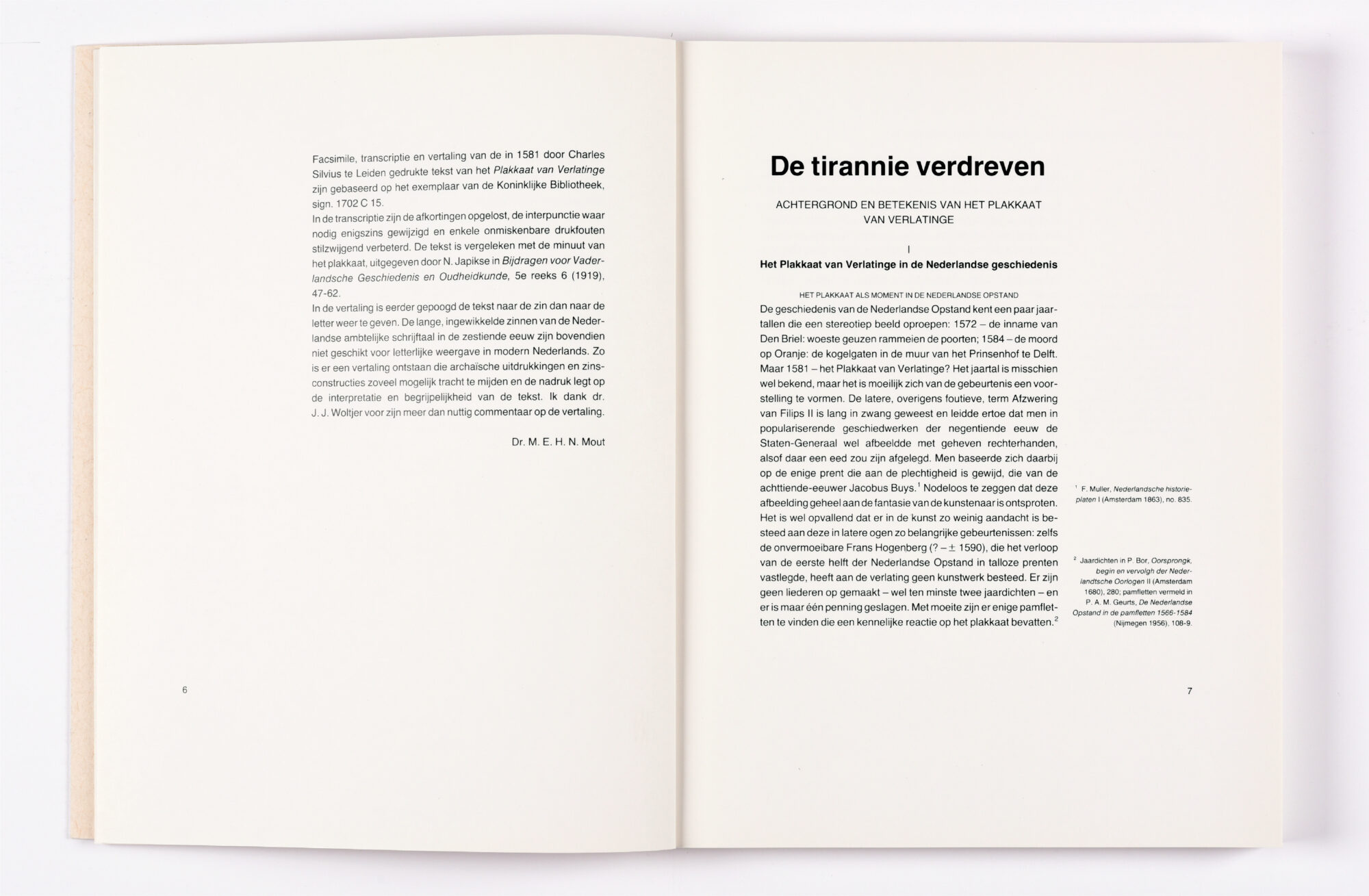
Tot slot werd de facsimile apart ingesloten in een boek waarin ook een beschouwing over de historie van het Plakkaat.
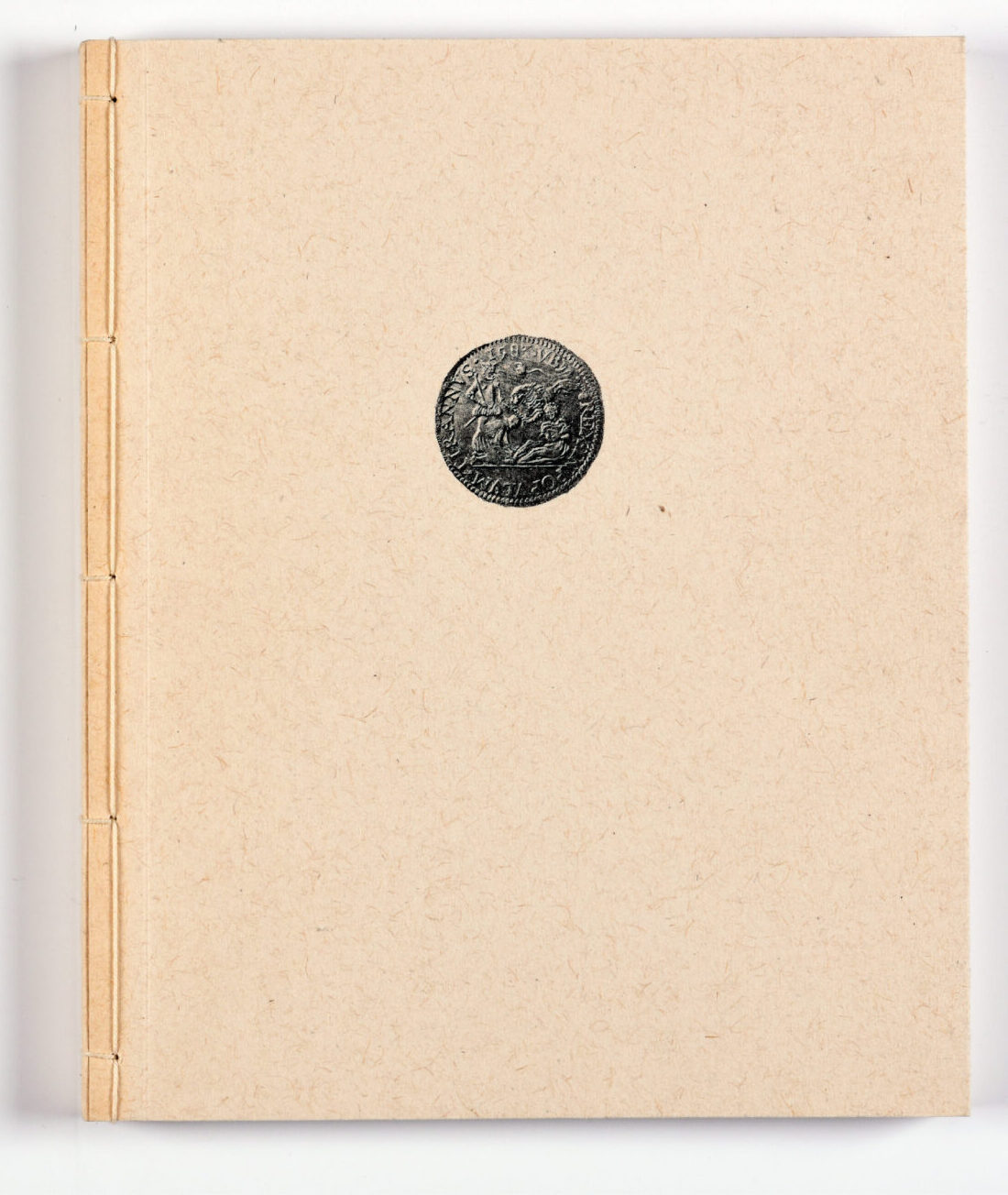
Het boek werd met de hand op Japanse wijze gebonden op de bedrijfsschool van de drukkerij. De facsimile bladen konden daarmee worden meegebonden in pagina’s die als passe partout dienden.